
Tagua Jewellery & Ecuador’s Most Unexpected Eco‑Hero
If you spend long enough wandering Ecuador’s artisan towns — especially Sosote and Montecristi — you’ll eventually meet one of the country’s most charming celebrities. Not a famous singer, not a football star… but a nut.
A very hardworking nut.
Tagua, often called vegetable ivory, grows on the indigenous Phytelephas palm that takes its sweet time — 35 to 40 years just to show a trunk, according to reporting from Awake! magazine on jw.org. When the palm finally matures, it produces heavy clusters filled with seeds that transform from coconut‑like liquid… to edible jelly… to a hard, ivory‑like material that artisans adore.
And elephants? They adore it too — mostly because it means humans can stop adoring their tusks.
🐘 Why Tagua Matters More Than You Think
Tagua’s final stage is so similar to ivory that artisans often leave a bit of the brown shell on finished jewellery to prove it’s plant‑based. It’s extremely hard, takes a high polish, and absorbs dyes beautifully.
Historically, Ecuador exported thousands of tons of tagua for button manufacturing. After plastics took over, the industry dipped — but it’s now booming again, with over 1,600 tons exported in a recent 18‑month period to countries like Germany, Italy, Japan, and the U.S. (Awake! reporting).
So yes — this humble rainforest seed is quietly helping elephants keep their tusks while giving Ecuadorian artisans a sustainable livelihood.
💍 From Palm to Pendant
Traveling through Manabí, you’ll see tagua transformed into:
Bold, colorful necklaces
Smooth bracelets with natural grain
Earrings shaped like petals or abstract art
Carved figurines and beads
High‑end “ivory” buttons
The process is wonderfully photogenic: nuts drying in the sun, artisans carving slices, bowls of brightly dyed tagua pieces, and finished jewellery glowing with a polished sheen.
📸 A Photographer’s Playground
Sosote is often called La Capital de la Tagua, and for good reason. You can walk from workshop to workshop capturing:
Raw tagua clusters
The carving process
Dyeing stations
Finished jewellery displays
Artisans at work
It’s a perfect blend of culture, craft, sustainability, and color — everything a travel photographer loves.
😄 A Light Touch of Humor
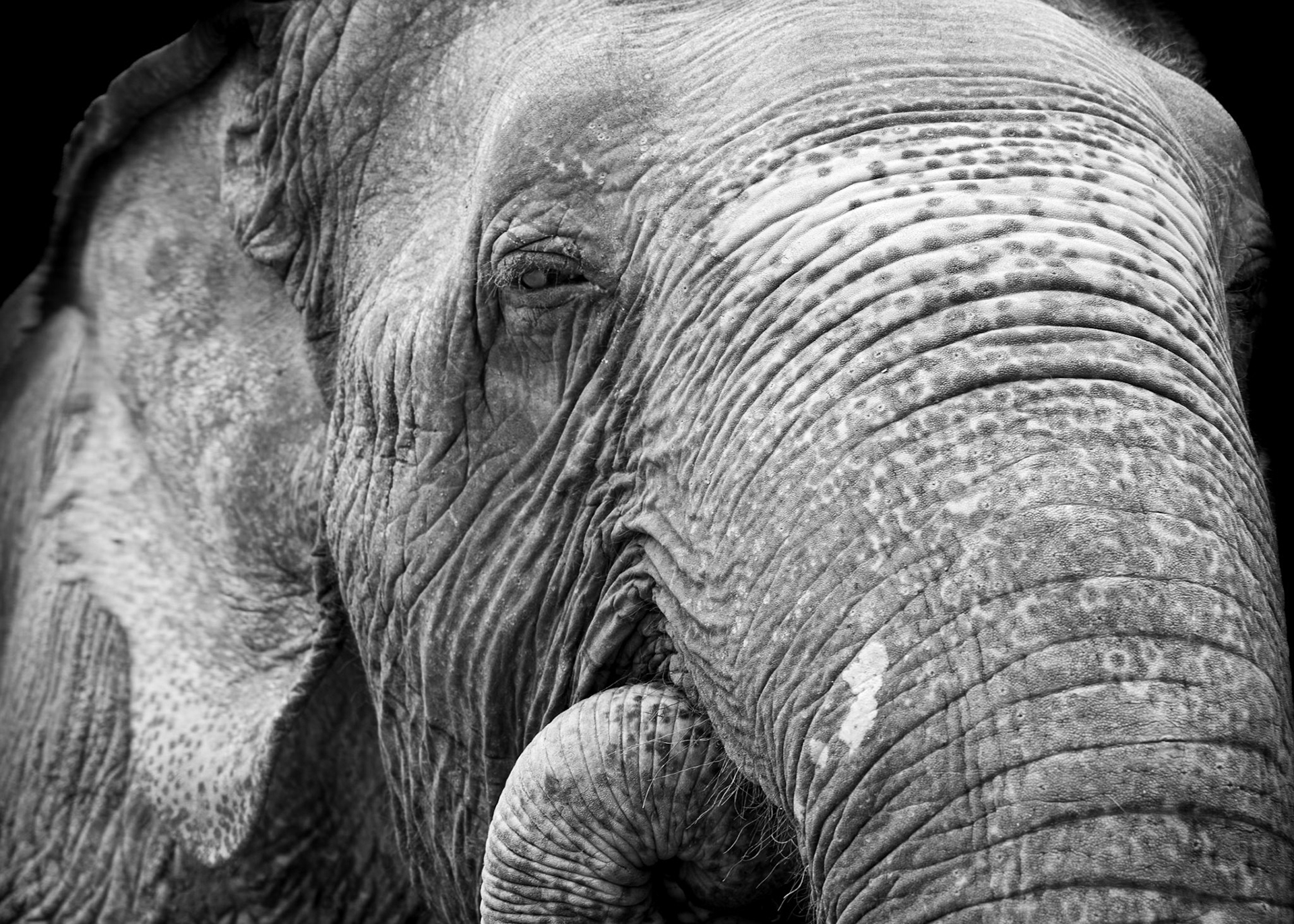
“Dear Ecuador, thanks for the tagua. Please keep growing those nuts — we’re trying to keep our tusks.” — The Elephants
And honestly? They’d have a point.


0 comments